
Weekly Crypto Break September 4

Weekly Newsletter
4 min read time
|Updated: 2026-09-04
This week in the
cryptocurrency market, spot Bitcoin ETF flows in the U.S., a new regulation in Türkiye covering crypto asset service providers, and developments related to traditional financial institutions expanding their digital asset services were among the key topics on the agenda.
U.S.-listed spot Bitcoin ETFs closed August with the highest monthly net inflow recorded in 2026. In Türkiye, the Capital Markets Board expanded the scope of remote customer onboarding processes with a new regulation. On the institutional side, Standard Chartered launched spot Bitcoin and Ethereum trading services for its institutional clients in the United Arab Emirates.
Bitcoin ETFs Recorded $3.52 Billion in Net Inflows in August
U.S.-listed
spot Bitcoin ETFs recorded a total net inflow of $3.52 billion in August. This marked the highest monthly net inflow recorded in 2026, while approximately $172 million in net inflows had been recorded in July.
Net inflows were recorded on 16 of the 21 trading days in August. The total net assets of spot Bitcoin ETFs increased from $76.29 billion at the end of July to $99.61 billion at the end of August. During the same period, the funds’ monthly trading volume rose from $39.37 billion to $58.63 billion. Bitcoin ended August with an increase of approximately 25%.
Why is this matter?
The strong net inflows into spot Bitcoin ETFs throughout August highlight the scale of capital flowing into Bitcoin through regulated investment products. The increase in the funds’ total assets and trading volume also indicates that ETFs are gaining prominence as one of the institutional investment channels in the Bitcoin market.
CMB Expands the Scope of Remote Customer Onboarding Processes
The Capital Markets Board introduced a new regulation on remote customer onboarding for brokerage firms, portfolio management companies and crypto asset service providers. The regulation establishes rules allowing non-Turkish individuals and legal entities registered with the trade registry to become customers through remote identity verification.
Under the new regulation, foreign individuals will be able to complete identity verification through video calls using passports that meet the required standards and support NFC technology. Address information must be verified within three months at the latest, and no fiat currency or crypto asset transfers will be permitted until the verification process is completed. For companies registered with the trade registry, the identity and authorization details of representatives must be verified through official systems, and the ultimate beneficial owner must be identified.
See.
Crypto Regulations
Why is this matter?
The regulation clarifies the rules governing how crypto-asset service providers in Turkey can expand their remote customer onboarding processes to include a broader group of users and companies. Establishing identity verification requirements for foreign individuals and legal entities is of direct importance to the sector’s customer onboarding and compliance processes.
Standard Chartered Launches Institutional Bitcoin and Ethereum Trading in the UAE
Standard Chartered launched spot
Bitcoin and
Ethereum trading services for eligible institutional clients in the United Arab Emirates. The service is provided through the bank’s entity in the Dubai International Financial Centre, which is regulated by the Dubai Financial Services Authority.
Institutional clients will be able to execute deliverable spot Bitcoin and Ethereum trades through the bank’s existing electronic trading channels. According to Standard Chartered, the bank is the first global systemically important bank to offer this service in the United Arab Emirates. The bank had previously launched digital asset custody services in the region in September 2024.
Why is this matter?
The fact that a bank of global systemic importance has begun offering spot Bitcoin and Ethereum trading to institutional clients through its regulated infrastructure demonstrates that traditional financial institutions are continuing to expand their digital asset services. The introduction of trading services, following the launch of custody services, broadens the scope of services available to institutional clients, enabling them to access crypto assets through their existing banking infrastructure.
Bitcoin Price Chart
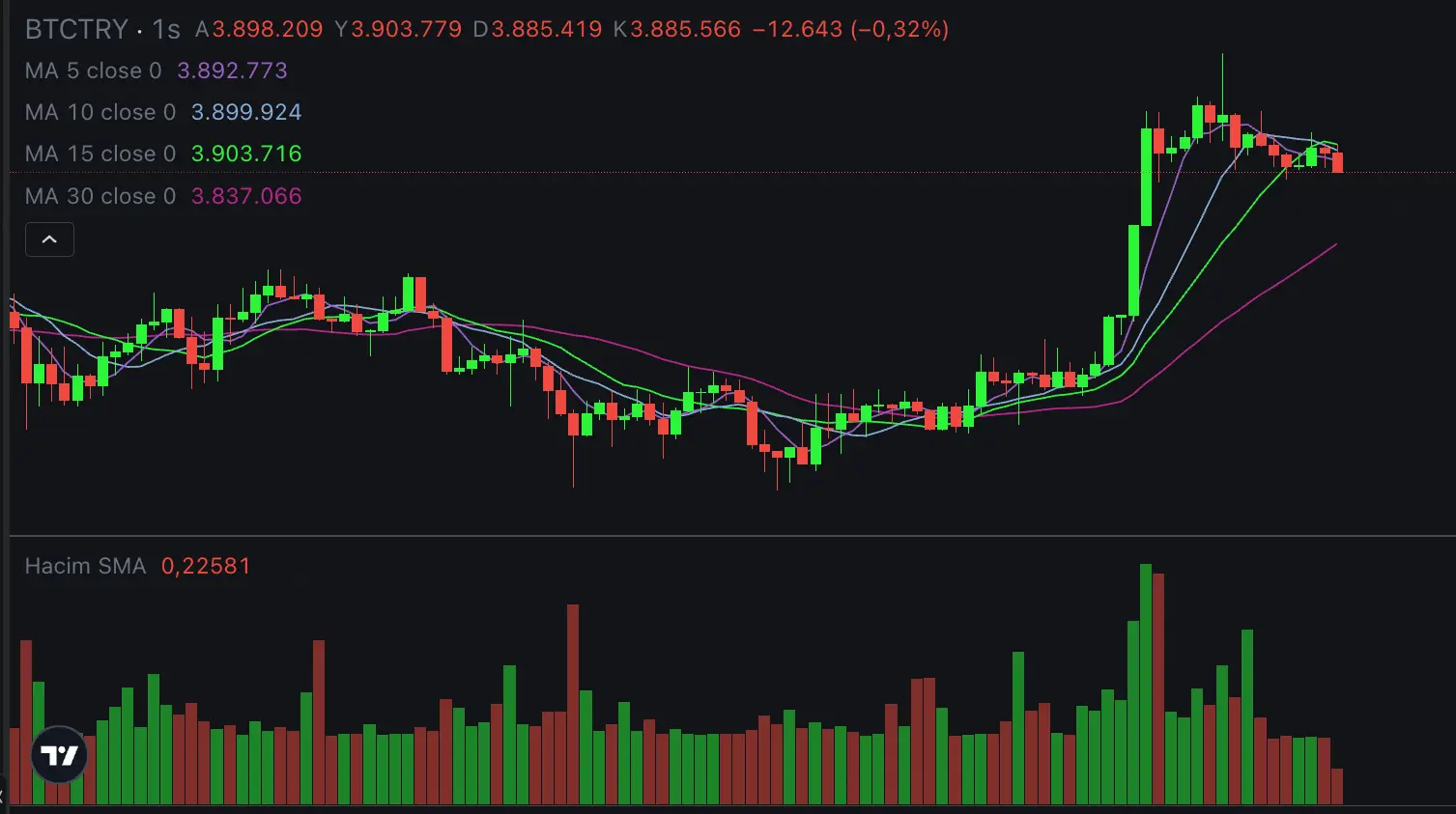
Bitcoin closed at approximately $77,830 on August 28 and traded within the $77,000–$81,000 range throughout the week. BTC traded around $77,000 on September 1 and 2 before rising again to approximately $81,000 on the morning of September 4.
Comparing Bitcoin’s price movement between August 28 and September 4, the cryptocurrency recorded an increase of approximately 4% in U.S. dollar terms. Bitcoin also moved above the $82,000 level during intraday trading on September 4.
Ethereum Price Chart
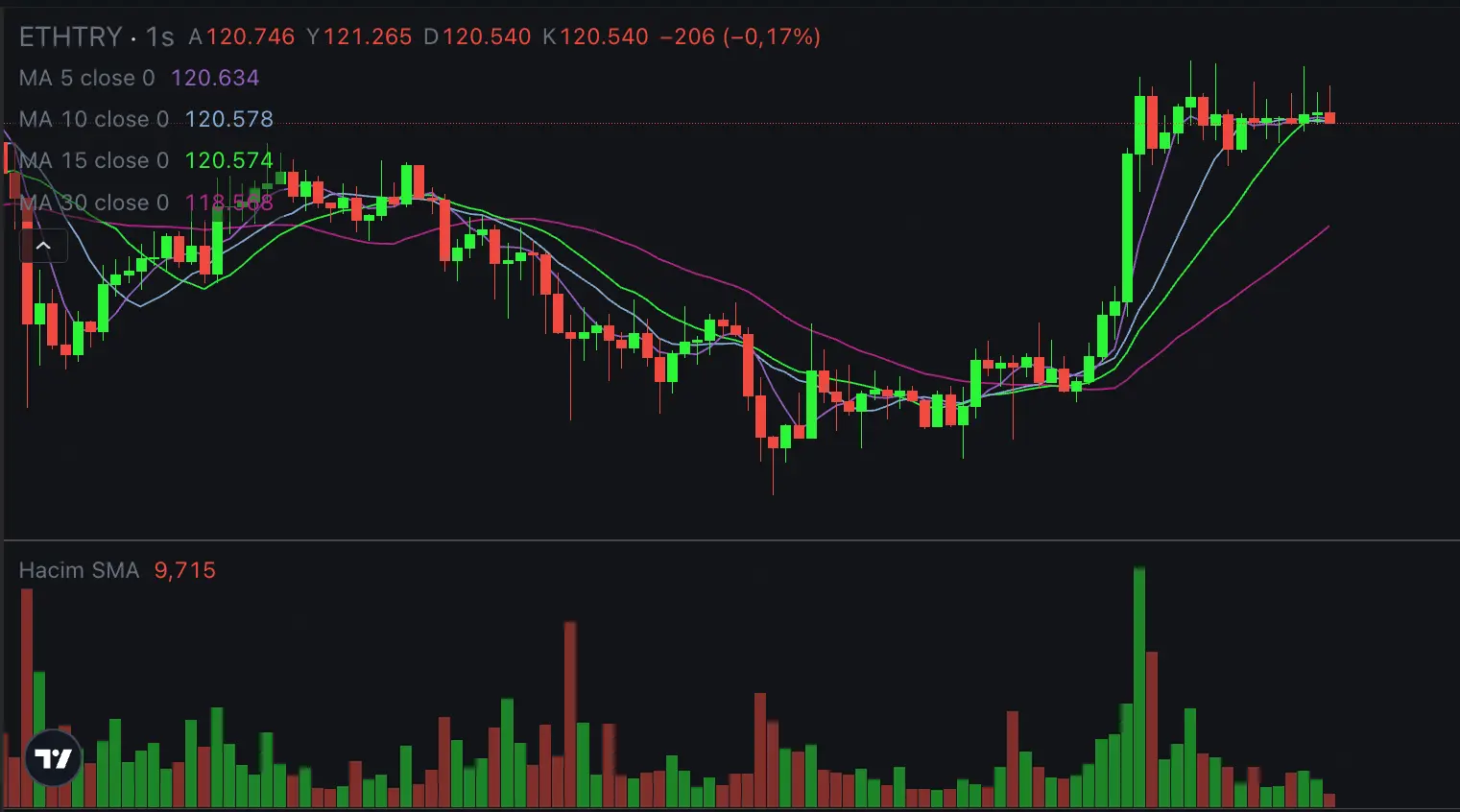
Ethereum closed at approximately $2,443 on August 28 and traded within the $2,390–$2,530 range throughout the week. ETH closed at approximately $2,419 on September 1, $2,394 on September 2 and $2,508 on September 3.
On the morning of September 4, Ethereum was trading at approximately $2,513, representing an increase of around 3% in the U.S. dollar terms compared with August 28.
 2026-09-04
Legal Notice
The information, comments, and evaluations contained in this content do not constitute investment advice. This content is not intended to be prescriptive in any way and is intended to provide general information. It does not constitute investment advice. CoinTR cannot be held responsible for any transactions made based on this information or any losses that may arise.

Recommended
 Weekly NewsletterWeekly Crypto Break August 28 The crypto market this week was shaped by ETF demand for Bitcoin, corporate capital management and increasing usage across blockchain networks. Bitcoin’s weekly price increase in dollar terms reached a historic level, while spot ETF inflows recording their strongest week since October 2025 indicated that institutional demand was accelerating again. On the Strategy side, a more flexible balance-sheet approach focused on strengthening cash reserves rather than making new Bitcoin purchases drew at2026-08-28
 Weekly NewsletterWeekly Crypto Break August 21 The crypto asset market this week was shaped by US regulatory developments, renewed spot ETF demand and a sharp recovery in Ethereum. CFTC Chair Michael Selig signaled that the agency could move forward with crypto-related rulemaking even if Congress fails to advance the CLARITY Act, while Bitcoin and Ethereum ETFs recorded stronger inflows. Bitcoin moved from around $63,000 at the beginning of the period to the $77,000 area, while Ethereum climbed from below $1,900 to around $2,400. Regulatory2026-08-21
 Weekly NewsletterWeekly Crypto Break August 14 The crypto asset market this week was shaped by network security, stablecoin activity and a widening gap between Bitcoin spot and derivatives markets. A critical vulnerability to Ravencoin raised questions around transaction finality, while Tron strengthened its position as a major network for USDT transfers. Bitcoin derivatives activity also continued to outpace spot trading, pointing to more selective positioning and increased focus on risk management. Ravencoin Vulnerability Puts Transaction2026-08-14
