
Weekly Crypto Break September 11

Weekly Newsletter
4 min read time
|Updated: 2026-09-11
This week in the
cryptocurrency market, spot Bitcoin ETF flows in the U.S., changes to the U.S. Treasury’s long-term bond buyback program, stablecoin initiatives in the banking sector, and crypto asset regulations in Europe were among the key topics on the agenda.
U.S.-listed spot Bitcoin ETFs recorded $3.8 billion in net inflows over a three-week period. The U.S. Treasury increased the size of liquidity-supporting buybacks for long-term bonds. U.S. Bank completed a live stablecoin transfer on the Stellar network using its own stablecoin, while a new draft proposal on the taxation of crypto asset gains came onto the agenda in Germany.
Bitcoin ETF Inflows Reached $3.8 Billion in Three Weeks
U.S.-listed
spot Bitcoin ETFs recorded a total net inflow of $986.9 million in the week ending September 5. This brought total net inflows over the past three weeks to $3.8 billion, marking the strongest three-week inflow period of 2026.
The total net assets of spot Bitcoin ETFs reached $101.3 billion, while cumulative net inflows since the products were launched in January 2024 rose to $55.6 billion. Year-to-date total net flows remained negative at approximately $1 billion.
Why is it important?
The $986.9 million inflow recorded in the week ending September 5 brought the three-week total to $3.8 billion. During the same period, the total net assets of spot Bitcoin ETFs surpassed $100 billion, showing the current scale of capital held in these products.
U.S. Treasury Increased Long-Term Bond Buyback Amounts
The U.S. Department of the Treasury increased the size of liquidity-supporting buyback operations for long-term nominal coupon securities. The maximum buyback amount, previously set at $2 billion per operation, was increased to at least $4 billion.
The change took effect on September 9 and will remain in place until November 4, 2026. The adjustment applies to liquidity-supporting operations in the 10–20 year and 20–30 year nominal coupon segments. According to the report published on TradingView, Bitcoin, Ethereum, Solana, and XRP recorded daily gains during the period when the development was on the agenda.
Why is it important?
The U.S. Treasury’s change increased the amount that can be repurchased per operation for long-term bonds by at least twofold. The new amounts will apply to the Treasury’s liquidity-supporting operations in the long-term nominal bond market between September 9 and November 4.
U.S. Bank Completed a Cross-Border Payment Using Its Own Stablecoin
U.S. Bank completed a live cross-border payment pilot using USBDC, its own U.S. dollar-pegged
stablecoin. The transaction was carried out between the bank’s entities in North America and Europe over the Stellar blockchain.
The pilot tested the issuance and transfer of USBDC, as well as the stablecoin’s minting, redemption, freezing, and clawback functions. These processes were carried out together with the bank’s existing finance, risk, compliance, and operations systems. U.S. Bank also stated that it is evaluating different use cases, including cross-border treasury transactions, liquidity management, and collateral transfers.
Why is it important?
The pilot involved the use of a bank-issued stablecoin for a live cross-border transfer on a public blockchain. During the transaction, the stablecoin infrastructure was tested together with the bank’s existing risk, compliance, and operational systems.
Proposal for a 25% Tax on Crypto Gains Emerged in Germany
Germany’s Federal Ministry of Finance was reported to have prepared a draft proposal that would introduce a 25% tax on cryptocurrency trading gains starting in 2028.
According to the draft, the new system would apply to crypto assets acquired after January 1, 2027. Assets purchased before this date are expected to remain subject to the existing tax rules under transitional provisions.
Under Germany’s current system, gains from crypto assets held for more than 12 months may be tax-exempt under certain conditions. The draft proposal has not yet entered into force.
Why is it important?
The draft proposes a change to Germany’s current tax exemption system linked to holding crypto assets for more than 12 months. If approved, crypto gains covered by the proposal would be subject to a 25% tax starting in 2028.
Bitcoin Price Chart
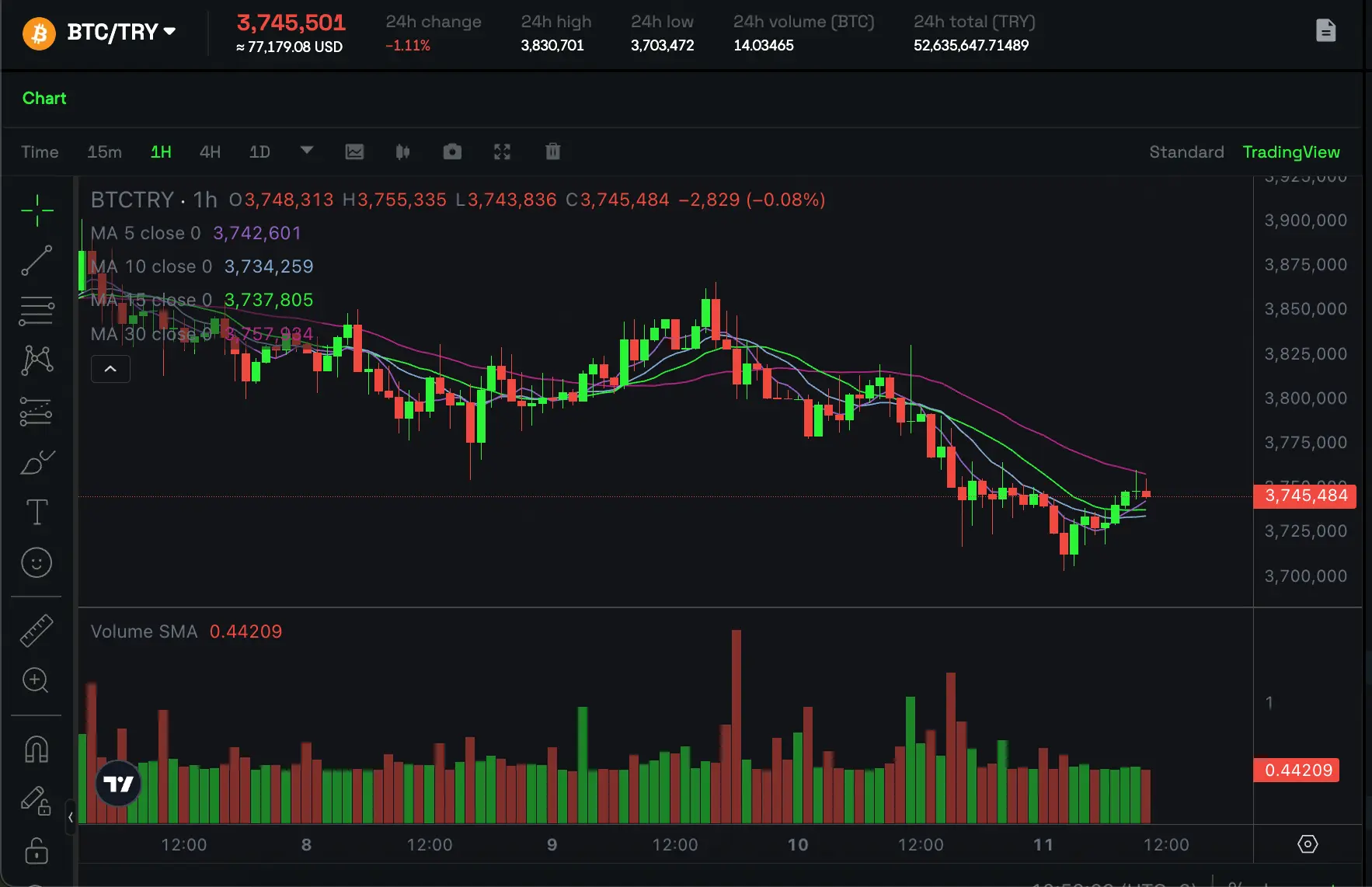
Bitcoin price closed at approximately $79,666 on September 4. Between September 4 and September 10, BTC traded in a range of approximately $77,666 to $81,429.
On the morning of September 11, Bitcoin was trading at approximately $77,218. Compared with its September 4 closing price, Bitcoin had declined by approximately 3% in the U.S. dollar terms.
Ethereum Price Chart
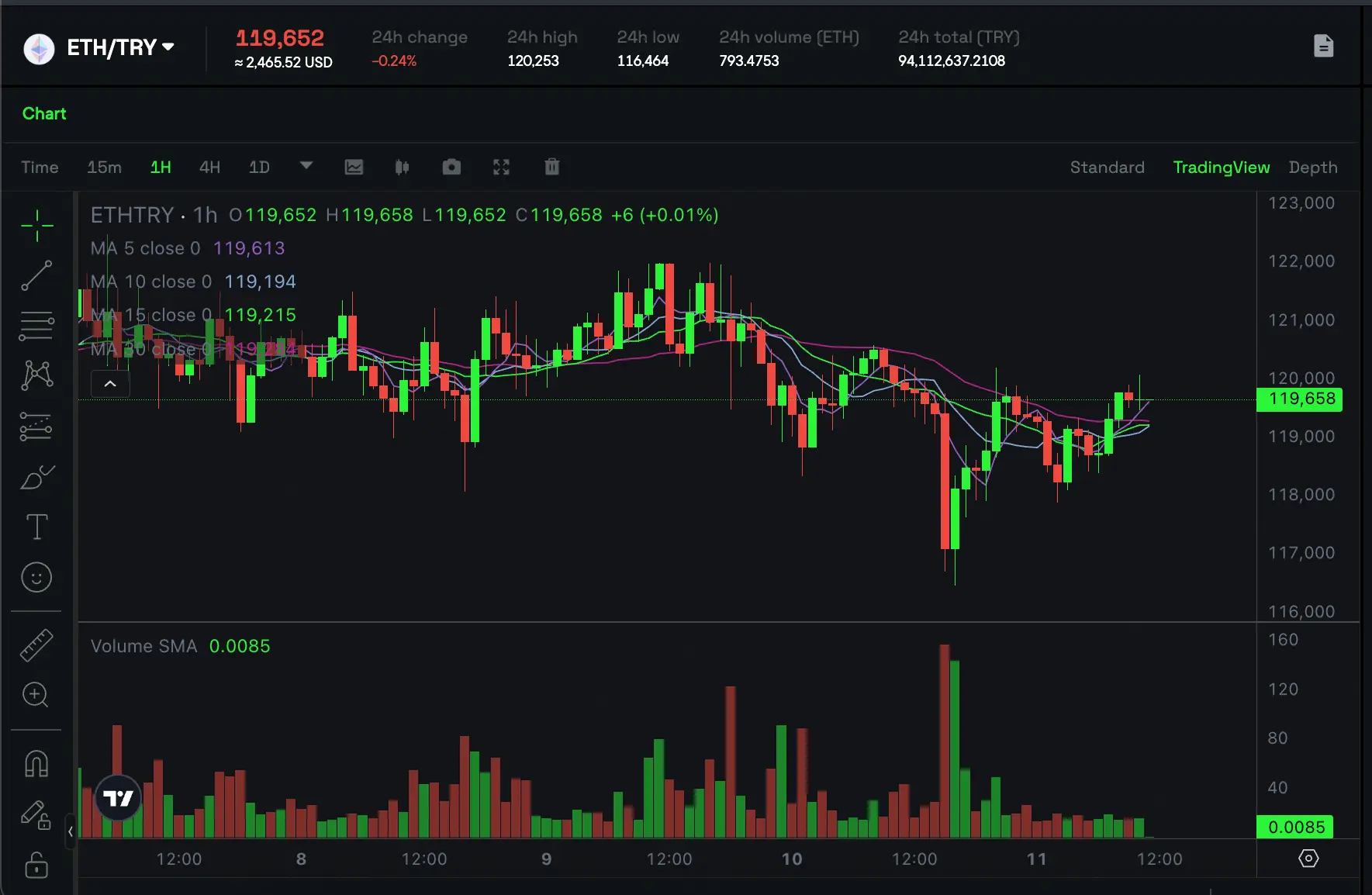
Ethereum price closed at approximately $2,456 on September 4. Between September 4 and September 10, ETH traded in a range of approximately $2,435 to $2,535. The September 10 closing price was approximately $2,481.
On the morning of September 11, Ethereum was trading at approximately $2,467. Compared with its September 4 closing price, Ethereum’s price change in U.S. dollar terms was approximately a 0.5% increase.
 2026-09-11
Legal Notice
The information, comments, and evaluations contained in this content do not constitute investment advice. This content is not intended to be prescriptive in any way and is intended to provide general information. It does not constitute investment advice. CoinTR cannot be held responsible for any transactions made based on this information or any losses that may arise.

Recommended
 Weekly NewsletterWeekly Crypto Break September 4 This week in the cryptocurrency market, spot Bitcoin ETF flows in the U.S., a new regulation in Türkiye covering crypto asset service providers, and developments related to traditional financial institutions expanding their digital asset services were among the key topics on the agenda. U.S.-listed spot Bitcoin ETFs closed August with the highest monthly net inflow recorded in 2026. In Türkiye, the Capital Markets Board expanded the scope of remote customer onboarding2026-09-04
 Weekly NewsletterWeekly Crypto Break August 28 The crypto market this week was shaped by ETF demand for Bitcoin, corporate capital management and increasing usage across blockchain networks. Bitcoin’s weekly price increase in dollar terms reached a historic level, while spot ETF inflows recording their strongest week since October 2025 indicated that institutional demand was accelerating again. On the Strategy side, a more flexible balance-sheet approach focused on strengthening cash reserves rather than making new Bitcoin purchases drew at2026-08-28
 Weekly NewsletterWeekly Crypto Break August 21 The crypto asset market this week was shaped by US regulatory developments, renewed spot ETF demand and a sharp recovery in Ethereum. CFTC Chair Michael Selig signaled that the agency could move forward with crypto-related rulemaking even if Congress fails to advance the CLARITY Act, while Bitcoin and Ethereum ETFs recorded stronger inflows. Bitcoin moved from around $63,000 at the beginning of the period to the $77,000 area, while Ethereum climbed from below $1,900 to around $2,400. Regulatory2026-08-21
