
What Is Candlestick Chart? How Do You Read Candlestick Chart?

Technical Analysis
5 min read time
|Updated: 2026-05-20
|
Summary:
|
Reading candlestick charts is one of the technical analysis methods that makes the market’s complex price movements easier to understand. The red and green candlesticks seen on charts reflect not only price changes but also buying and selling pressure in the market and investor psychology.
Just as letters come together to form meaningful words when learning a new language, candlesticks also come together to provide clues about price movements. Learning this language can help investors interpret
market movements more consciously.
What is Candlestick Chart?
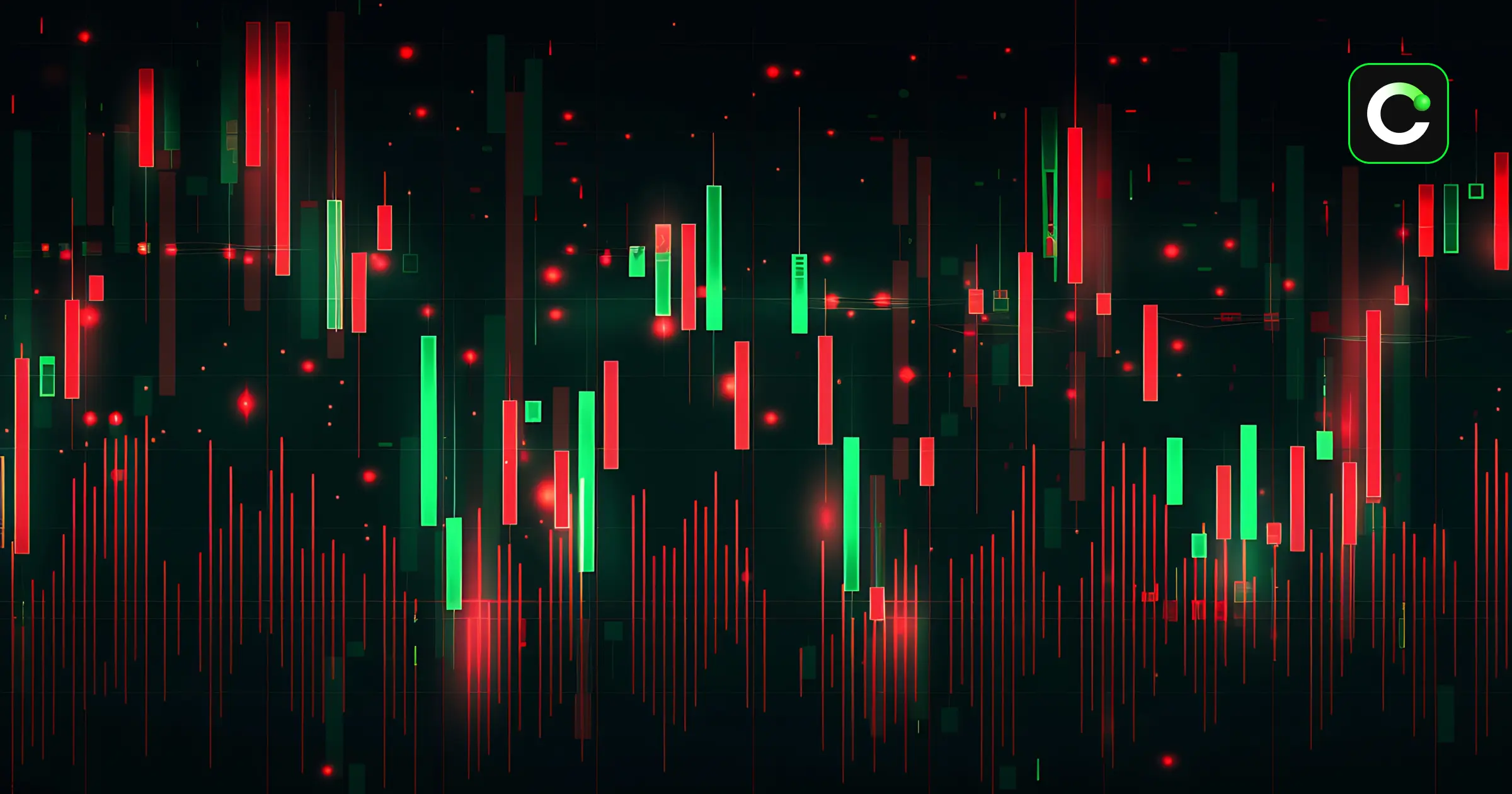
A candlestick chart is a visual representation that summarizes an asset’s entire price movement over a specific time period including the opening, closing, high, and low prices within a single body. This most popular tool in
technical analysis not only tells you what the price was but also shows the struggle between buyers and sellers during that period. Each candlestick visually reflects price movements within a specific time frame (ranging from 1 minute to 1 month), depending on the time period you select.
-
Green candle: Indicates that the price closed the relevant time frame higher, meaning buyers were more active.
-
Red candle: Indicates increased selling pressure and that the price closed below the opening level.
-
Wicks: Show the extreme price limits that the price “visited but could not sustain,” i.e., the boundary lines the market tested during that period.
What are candlestick patterns?
Candlestick patterns are the most critical indicators in chart analysis, each representing a different market sentiment and guiding investors. For example, the Doji, which appears when buyers and sellers cannot determine a new direction, is a clear sign of indecision; while the Hammer candlestick with a long lower wick that emerges after a sharp decline can be interpreted as a reversal signal indicating that bullish buying pressure may be strengthening.
To understand when market momentum is shifting, one must track “engulfing” patterns that completely envelop the previous candle. Bullish Engulfing patterns, which signal a strong upward move, or Bearish Engulfing patterns, which indicate increasing selling pressure, can provide important clues about the trend’s direction. When correctly interpreted, all these patterns can offer significant signals regarding the market’s potential direction.
How to Read Candlestick Charts?
Reading candlestick charts is the art of interpreting the psychological battle between buyers and sellers in the market by analyzing the body and wick structure of each candlestick. Every change you see when looking at the charts is actually the market’s “pulse” at that moment. To decipher this language, you need to follow these specific signals provided by price movements:
-
Long Green and Red Candles: Long green candles reflect a strong “bullish” appetite where buyers completely dominate the market; long red candles indicate that sellers have taken control and the downward trend is strengthening.
-
The Mystery of the Wicks: A long upper wick indicates that the price wanted to rise but encountered resistance and was pushed back; a long lower wick, on the other hand, suggests that the price was strongly bought up from the point where it fell.
-
Marubozu and Indecision: Marubozu candles, which have no wicks, symbolize complete, one-sided certainty in the market, while candles with very short bodies represent a pause where the market is struggling to find direction.
For investors, the meanings of candlestick charts offer not only insights into past prices but also the clearest clues regarding potential trend reversals or market direction. By piecing these details together like puzzle pieces, you can decipher the hidden messages the market is whispering and use this data to shape your analysis process more consciously.
What Should You Look for When Reading Candlestick Charts?
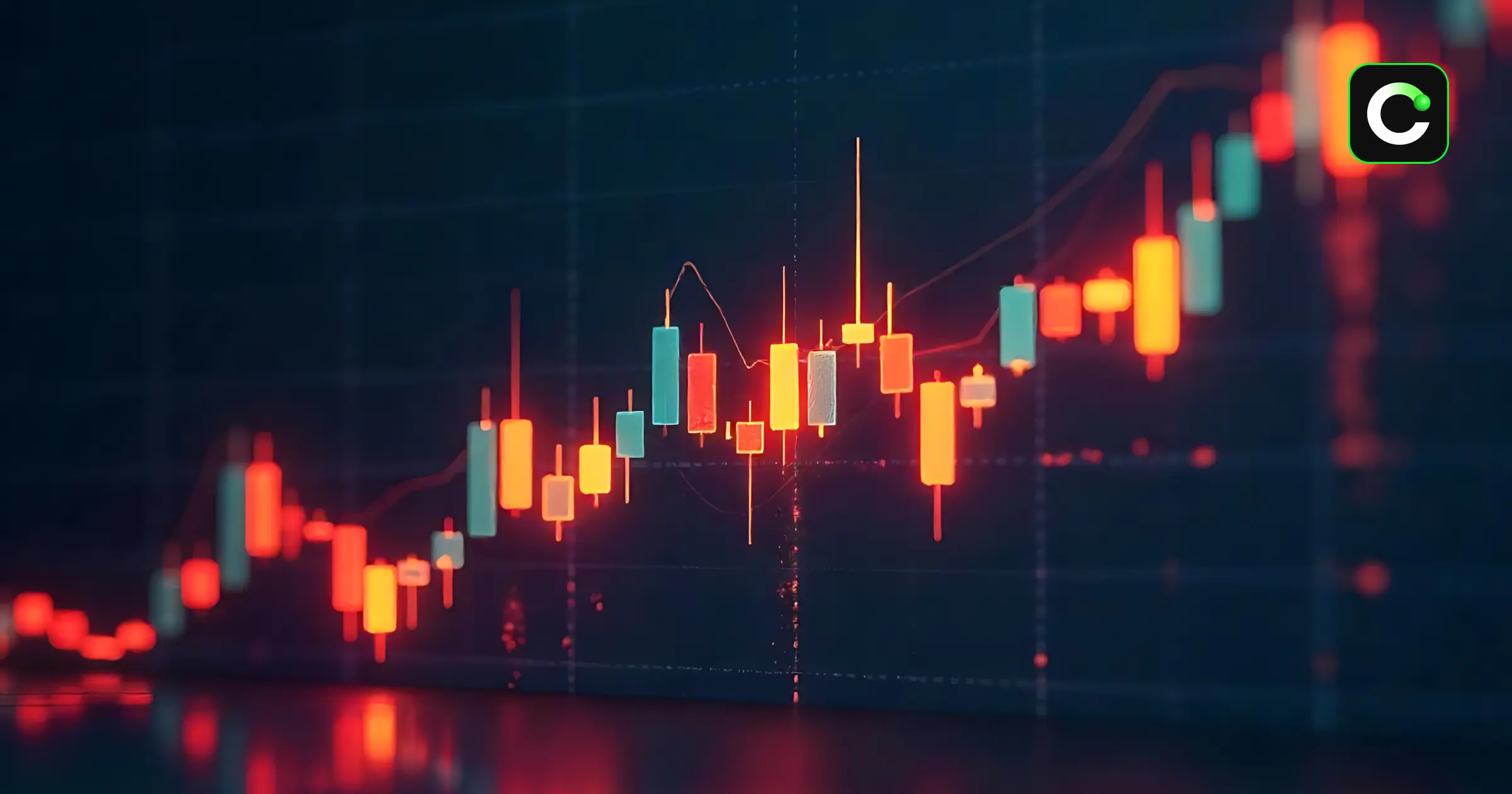
To ensure a more accurate assessment of signals from candlestick charts, you must analyze patterns by combining them with volume data, support and resistance levels, and auxiliary indicators. Making decisions based solely on a single candlestick can sometimes lead to misleading results. To improve the success of your analysis, you should always keep these three golden rules in mind:
-
Location Is Everything: Where a pattern forms is just as important as the pattern itself. For example, a Hammer appearing at a strong support level can be interpreted as a stronger bullish signal, whereas its formation at a random point may create false expectations.
-
The Power of Time Frames: Candlesticks on broader time frames, such as daily or 4-hour charts, produce far more reliable results than the market noise found on short-term (5–15-minute) charts. Signals formed on broader time frames are generally considered more reliable.
-
Don’t Act Without Confirmation: One of the key points to watch for during the analysis process is the “confirmation candle” rule. When you see a pattern emerging, waiting for that candle to close without getting carried away by excitement is your greatest safeguard against sudden reversal moves.
Remember that an unclosed candle is an unfinished sentence; to build your strategy, you must allow the market to finish that sentence and give you the final word.
 2026-05-20
Legal Notice
The information, comments, and evaluations contained in this content do not constitute investment advice. This content is not intended to be prescriptive in any way and is intended to provide general information. It does not constitute investment advice. CoinTR cannot be held responsible for any transactions made based on this information or any losses that may arise.
 What Is Technical Analysis in the Cryptocurrency Market?
Recommended
 Technical AnalysisUnderstanding Support & Resistance Levels in the Crypto Market Summary: Support and resistance levels are key technical analysis zones in cryptocurrency markets where prices may reverse direction or continue their current trend. Investors can use tools such as moving averages, Fibonacci levels, and trend lines, in addition to past price movements, to identify support and resistance points. While support and resistance levels play a significant role in developing trading strategies, they should be evaluated in conjunction with trading volume,2026-06-22
 Technical AnalysisWhat Is Market Maker? Summary: A market taker is a market participant who executes trades by matching existing buy or sell orders. Rather than adding new liquidity to the market, market takers use existing liquidity to ensure that trades are executed quickly. While a market maker adds liquidity to the order book, a market maker participates in the trading process by matching existing orders. A market taker refers to the party that executes a trade using existing buy or sell orders waiting in the2026-06-15
 Technical AnalysisWhat Is Market Maker? Summary: Market makers contribute to maintaining liquidity in the markets and ensuring smoother trading by continuously providing bid and ask prices. A market maker quote is the bid and asks price and volume information submitted to the system by an authorized market maker. In crypto markets, market makers do not directly set prices, but they can help balance bid-ask spreads and limit sudden price movements by increasing liquidity. Sufficient liquidity is necessary for tra2026-06-09
