
Spot Bitcoin ETF & Altcoin ETF Launches 

Cryptocurrency Exchange
6 min read time
|Updated: 2025-12-12
Among the most notable developments in the recent period of the crypto markets are the capital movements observed in spot Bitcoin and
altcoin ETF products. In the final quarter of 2025, both increased outflows from Bitcoin ETFs and volatile flows seen in some altcoin-focused ETFs indicate that investors are reshaping their portfolio strategies.
In particular, profit-taking and risk aversion tendencies from large funds created a short-term ‘rotation effect’ across the market. Conversely, new inflows into some altcoin ETFs reveal that investor interest remains strong and that fund allocation in the digital asset market is becoming increasingly diversified. This picture signals a new era in terms of which assets both institutional and individual investors will position themselves in as we approach 2026.
Latest Developments in Spot Bitcoin ETFs: What Do the Outflows Mean?
The strong capital outflows observed in spot
Bitcoin ETFs in recent weeks are being closely monitored in the crypto market. Total outflows are estimated to have exceeded $4 billion in the November and December 2025 period. In particular, the record outflow of $1.26 billion from BlackRock's iShares Bitcoin Trust (IBIT) fund has prompted investors to re-evaluate their short-term strategies.
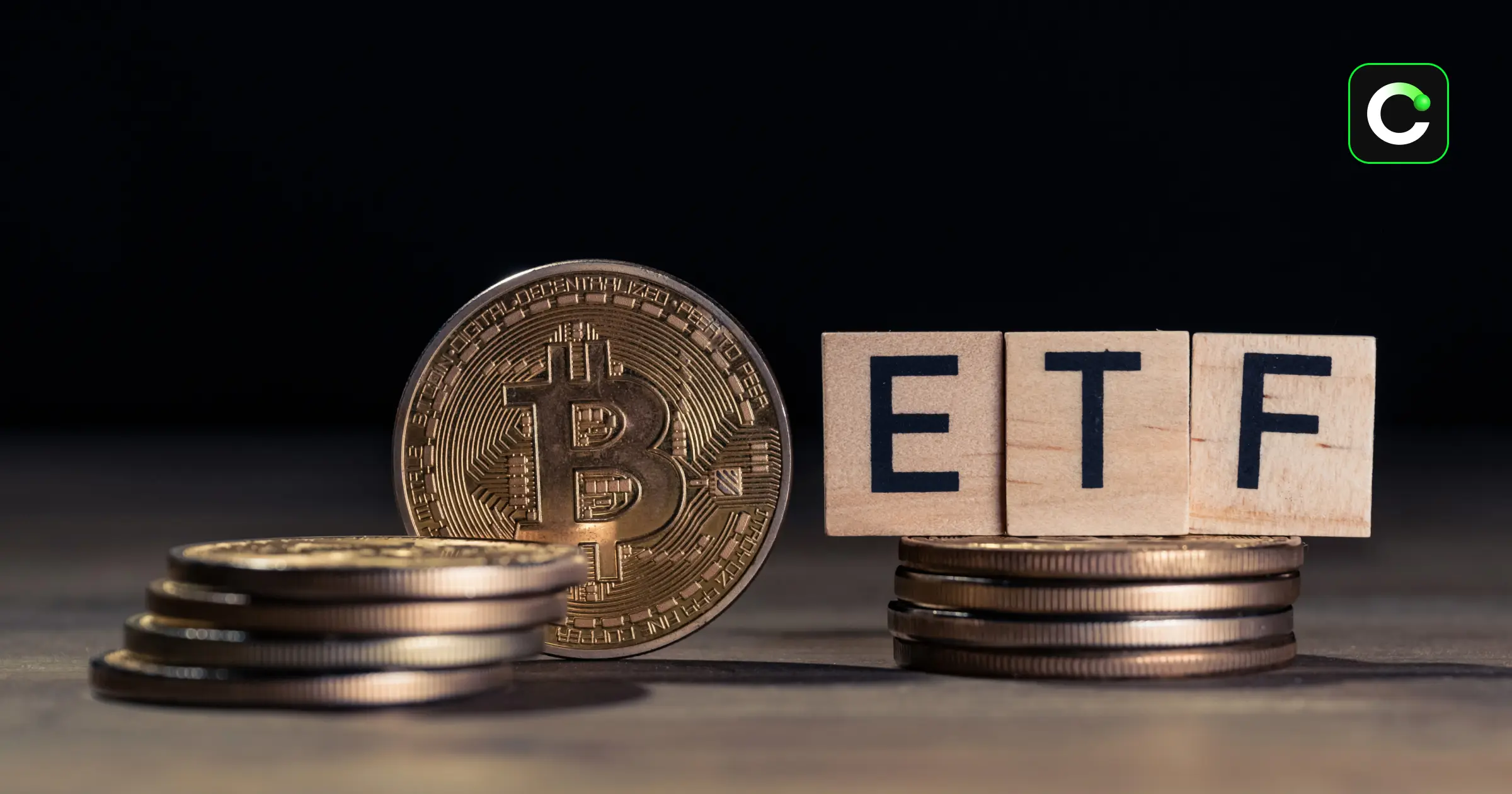
According to analysts, these outflows are more related to profit-taking and portfolio rebalancing than a flight from the market. Following the sharp rise in the first half of 2025, institutional investors preferred to reduce their risk levels as the end of the year approached. This, combined with macroeconomic uncertainties, created a temporary correction in the ETF market.
However, not all funds are moving in the same direction. Approximately £100 million in net inflows during the first week of December showed that investor interest remains strong. Experts say this picture points to a ‘healthy rotation’ process in the Bitcoin market.
Although short-term ETF outflows have caused temporary fluctuations in
Bitcoin price, such as dips below $90,000, it is emphasised that market fundamentals remain strong in the long-term outlook.
Increased Interest in Altcoin ETF Products
In the cryptocurrency investment products sector, the final quarter of 2025 is drawing attention as capital exiting spot Bitcoin and Ethereum ETFs are shifting towards altcoin-focused funds. Recent outflows from Bitcoin ETFs indicate that investors are turning to altcoin ETFs in search of higher growth and return potential.
Data shows that while capital is flowing out of Bitcoin and Ethereum ETFs, XRP and
Solana ETFs have stood out with strong institutional inflows.
XRP ETFs have attracted over $900 million in capital since their launch. This picture reveals that investor interest is increasingly shifting towards altcoin products.
This rotation by institutional investors indicates that the capital balance in the crypto market is being reshaped. While Bitcoin and Ethereum remain the main components of portfolios, altcoin ETFs are seeing increased demand due to their high liquidity and growth potential. New altcoin ETF applications from major asset managers like 21Shares are further reinforcing this trend.
This interest stems not only from short-term price movements but also from long-term diversification strategies. The growing demand for altcoin ETFs is creating a new growth axis in the digital asset market.
How Does ETF Money Flow Affect the Market?
The launch of cryptocurrency ETFs represents the beginning of a new era in the digital asset ecosystem. Regulatory approvals boost confidence in this asset class, strengthening interest from both individual and institutional investors. This provides a new and sustainable flow of capital into the crypto market.
The trading of ETFs on stock exchanges makes crypto investments more accessible and liquid. Traditional investors can easily access these funds through brokerage platforms, which encourages new market participation, increasing trading volume and liquidity.
Furthermore,
crypto ETFs offer investors portfolio diversification opportunities. These funds, which include Bitcoin, Ethereum or different digital assets, create a more balanced investment base by removing investment risk from being tied to a single asset.
For institutional investors, ETFs offer the opportunity to invest without directly owning crypto assets thanks to their regulated structure. This accelerates the inflow of secure and professional capital into the market.
What Does ‘Rotation’ Mean in the ETF Ecosystem?
In the ETF ecosystem, ‘rotation’ refers to investors shifting their capital from funds with strong performance to other ETFs with higher potential returns. This strategy involves rebalancing portfolios in response to changes in market trends and sector dynamics.
Rotation typically arises as a result of economic cycles, interest rate expectations, or changes in market trends. For example, investors may adapt to current market conditions by moving out of technology ETFs and into energy or finance-focused funds.
This approach enables investors to actively manage their portfolios, balance risks, and respond quickly to opportunities. Consequently, ETF rotation is considered an important indicator for understanding market dynamics and determining the direction of capital flows.
The Changing Approach of Institutional Investors
The transformation in financial markets in recent years has fundamentally altered the strategies of institutional investors. Large funds, which previously acted more cautiously, are now showing greater interest in alternative asset classes and digital investment instruments. Regulatory clarity and the proliferation of ETFs have played a significant role in this shift.

The introduction of cryptocurrency ETFs has facilitated institutional investors' access to this sector. Banks, pension funds, and asset management companies can now invest in the digital ecosystem without directly holding crypto assets. This enhances risk control and portfolio diversification while creating new investment channels for institutional investors.
Many large investors now focus more on the long-term potential of
blockchain technology than on short-term price fluctuations. This approach strengthens the liquidity of the cryptocurrency market while also ensuring a more balanced capital flow.
This transformation is leading to an increase in institutional-scale investments and a growing need for professional trading solutions. CoinTR addresses this need by offering a special
OTC service for high-volume transactions to institutional investors.
How to Track ETFs from Türkiye?
Monitoring developments in global ETF markets is of strategic importance for investors. Although direct ETF trading is limited in Türkiye, investors can gauge overall risk appetite by tracking global fund flows and market trends.
Specifically for crypto ETFs, the daily trading volumes and fund sizes of US Securities and Exchange Commission (SEC)-approved products can be clearly tracked. To access this data from Türkiye, local sources such as CoinTR also provide up-to-date analyses.
Investors can also track assets listed on CoinTR to establish a connection between global ETF flows and the local market. In particular, inflow and outflow data for Bitcoin and
Ethereum ETFs are important indicators for understanding market sentiment.
 2025-12-12
Legal Notice
The information, comments, and evaluations contained in this content do not constitute investment advice. This content is not intended to be prescriptive in any way and is intended to provide general information. It does not constitute investment advice. CoinTR cannot be held responsible for any transactions made based on this information or any losses that may arise.
 What is Ethereum ETF? How Does it Affect the ETH Price?
Recommended
 Cryptocurrency ExchangeWhat is a Stablecoin? 2026 Stablecoin List The sharp price fluctuations in cryptocurrency markets are driving investors toward more stable alternatives. In this context, stablecoins stand out among digital assets thanks to their structures designed to ensure price stability. Questions like “What does stablecoin mean?” and “What is a stablecoin?” are frequently asked, especially by users new to cryptocurrency. So why have these assets become so widely used? Today, the stablecoin ecosystem is no longer limited to as2024-11-24
 Cryptocurrency ExchangeWhat are Bear and Bull Markets? In financial markets, the terms bear market and bull market are often used to describe overall trends. A bear market represents periods of declining prices, while a bull market refers to rising trends. These terms are particularly important in the cryptocurrency market. But what exactly is a bear market, what is a bull market, and how long do these periods last? Here’s a detailed guide. What is a Bear Market? A bear market is a period when asset prices experience a prolonged decline, typically2024-11-24
 Cryptocurrency ExchangeWhat is Blockchain Technology? Blockchain is a digital ledger technology where data is stored on a distributed network without the need for central authority. As the backbone of cryptocurrencies such as Bitcoin, blockchain is now being used not only in the financial world but also across many different industries. Blocks record transactions, and each block is linked to the previous one, forming a chain. This structure makes data immutable, tamper-proof, and transparent. Key Features: Decentralization: Not controlled by a s2024-11-28
