
What Is Altcoin Rally? When Will the Altcoin Rally Happen?

Cryptocurrency Exchange
6 min read time
|Updated: 2026-03-31
In the cryptocurrency market, the balance of power can shift rapidly from time to time, and investor interest can quickly shift to different asset classes. Especially during periods of increased market volatility, more pronounced price surges may be observed in cryptocurrencies other than Bitcoin.
During such periods, rapid price increases in altcoins and a rise in trading volume can be observed. Altcoin rallies are among the key concepts in the crypto market, not only because of the price increases they entail but also because they help us understand the conditions under which these movements occur.
What Is an Altcoin?
Cryptocurrencies other than Bitcoin are generally referred to as “
altcoins.” Since Bitcoin was the first cryptocurrency, projects developed afterward are classified as alternatives.
According to the widely accepted approach to the cryptocurrency market, assets other than Bitcoin and Ethereum are classified as altcoins. However, in some analyses, Ethereum may be treated as a separate category.
What Is an Altcoin Rally?
An altcoin rally refers to periods during which cryptocurrency assets other than Bitcoin experience rapid and significant price increases over a short period of time. In financial literature, the term “rally” describes a rapid and pronounced upward movement in the price of an asset or market over a short period of time. This term is used in cryptocurrency markets in much the same way as it is in stock markets. For example, strong increases in the Bitcoin price over a short period are referred to as a “
Bitcoin rally.”
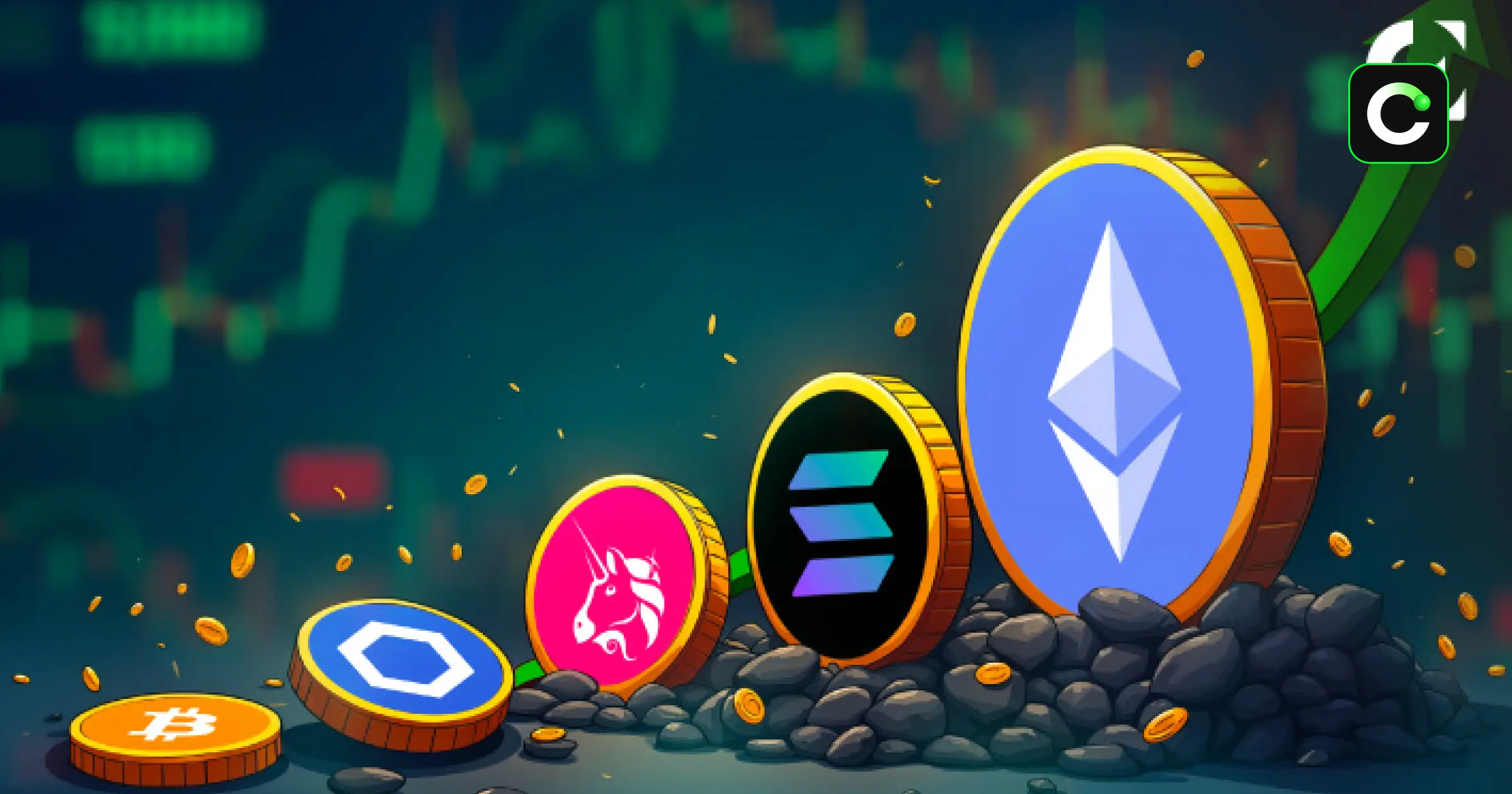
These periods refer to times when cryptocurrencies other than
Bitcoin experience rapid and notable price increases over a short timeframe. During these periods, increased market volatility and rising trading volumes can be observed.
Periods when altcoin prices rise consecutively and market interest shifts toward these assets are generally defined as an “altcoin season.” Such periods stand out as times when investor activity intensifies and market dynamics can change rapidly.
Will There Be an Altcoin Rally?
Whether or not altcoin rallies will occur depends on specific market signals. In particular, the capital flow following Bitcoin plays a decisive role in this process. The redirection of profits made from Bitcoin toward altcoins could strengthen the likelihood of a potential rally.
Additionally, a decline in
Bitcoin dominance and the continued retention of market liquidity within crypto assets are considered key indicators that an altcoin season may be approaching.
Macroeconomic conditions can also influence this possibility. Particularly during periods of increased money supply and low interest rates, investors may be more inclined to turn to higher-risk assets. This situation could support interest in the altcoin market.
Furthermore, factors such as technological trends, robust blockchain ecosystems, and investor psychology may also play a role in the emergence of altcoin rallies. However, it is impossible to predict the exact timing of such rallies; they are shaped by market conditions.
When Will the Altcoin Rally Begin?
A shift in market focus from low-risk assets to higher-risk assets typically signals the start of altcoin rallies. This period is referred to as “altcoin season” in the crypto market.
Various market indicators and analytical methods are used to identify the altcoin season. These indicators help determine which asset groups are attracting investor interest and how risk appetite in the market is shifting.
However, the timing of altcoin rallies does not depend on a single data point. This process is shaped by the convergence of many factors, such as market cycles, liquidity flows, and investor behavior. Therefore, while altcoin seasons can be tracked through specific signals, it is not always possible to pinpoint an exact start time. This process typically emerges as part of broader market cycles.
Beware of FOMO!
Altcoins, typically due to their lower market capitalization, can exhibit higher percentage changes in price movements compared to major assets like Bitcoin. This situation leads to prices moving more rapidly in both upward and downward directions. Consequently, the altcoin market presents a structure where the level of risk can be as high as the potential returns.
During periods of increased market volatility, altcoin prices may experience consecutive rallies, and trading volumes may see significant increases. During this process, growing interest from new investors can further accelerate price movements. However, it is crucial to carefully evaluate investment decisions and consider fundamental financial concepts during such periods.
In particular, the psychological effect known as “
FOMO (Fear of Missing Out)” becomes more pronounced during periods of rapid price increases. Investors may tend to trade at high levels based on the expectation that prices will continue to rise. This situation can lead to unexpected losses during market fluctuations.
Therefore, adopting a risk management approach that accounts for potential changes in market conditions, pre-determining trading strategies, and evaluating methods such as stop-loss orders when necessary can help limit potential losses.
How Do Altcoin Rallies Begin?
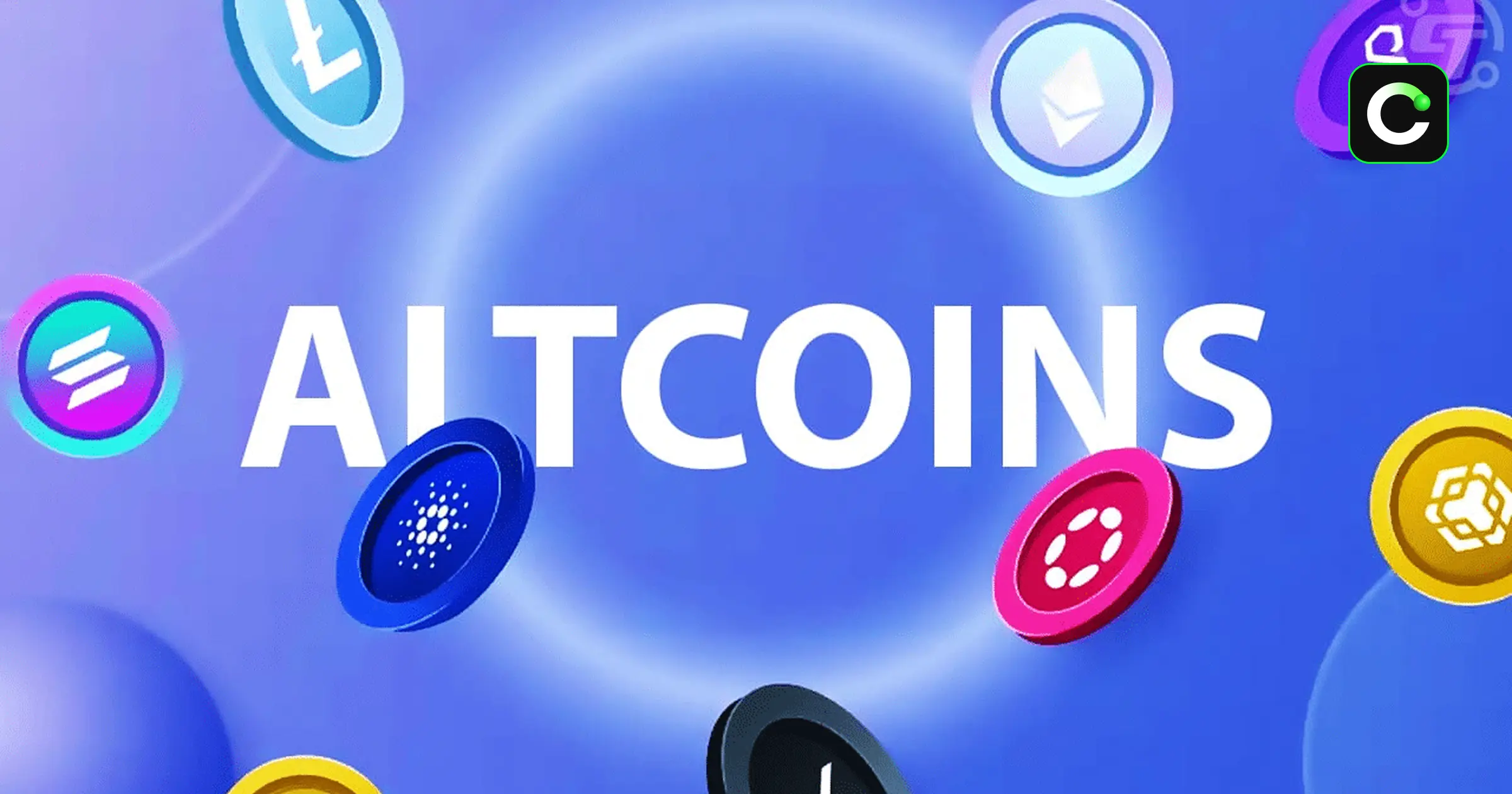
Altcoin rallies typically arise from the simultaneous interplay of multiple factors rather than a single cause. However, there are often specific triggers that set this process in motion. Essentially, a sudden influx of capital into the crypto market and the subsequent flow of that capital toward altcoins sets the stage for rapid price increases.
This process is generally closely linked to
Bitcoin price movements. After Bitcoin rallies, investors shifting their profits into altcoins with higher volatility can increase activity in the altcoin market. During this period, a decline in Bitcoin dominance and the continued retention of market liquidity within crypto assets are considered early indicators of altcoin rallies.
Macroeconomic conditions can also influence this process. Particularly during periods of increased global money supply and falling interest rates, investors’ tendency to gravitate toward higher-risk assets may strengthen. This situation can boost interest in the altcoin market, contributing to the onset of rallies.
In addition, internal market dynamics also play a decisive role. While technological advancements can increase interest in certain sectors, rising transaction volumes in projects on blockchain networks with robust ecosystems can support price movements. Furthermore, investor behavior and market psychology can also influence the acceleration of rallies.
For this reason, it is important to make investment decisions by evaluating market conditions and risk factors together.
 2026-03-31
Legal Notice
The information, comments, and evaluations contained in this content do not constitute investment advice. This content is not intended to be prescriptive in any way and is intended to provide general information. It does not constitute investment advice. CoinTR cannot be held responsible for any transactions made based on this information or any losses that may arise.
 What Is Gas Fee? How to Calculate?
Recommended
 Cryptocurrency ExchangeWhat is a Stablecoin? 2026 Stablecoin List The sharp price fluctuations in cryptocurrency markets are driving investors toward more stable alternatives. In this context, stablecoins stand out among digital assets thanks to their structures designed to ensure price stability. Questions like “What does stablecoin mean?” and “What is a stablecoin?” are frequently asked, especially by users new to cryptocurrency. So why have these assets become so widely used? Today, the stablecoin ecosystem is no longer limited to as2024-11-24
 Cryptocurrency ExchangeWhat are Bear and Bull Markets? In financial markets, the terms bear market and bull market are often used to describe overall trends. A bear market represents periods of declining prices, while a bull market refers to rising trends. These terms are particularly important in the cryptocurrency market. But what exactly is a bear market, what is a bull market, and how long do these periods last? Here’s a detailed guide. What is a Bear Market? A bear market is a period when asset prices experience a prolonged decline, typically2024-11-24
 Cryptocurrency ExchangeWhat is Blockchain Technology? Blockchain is a digital ledger technology where data is stored on a distributed network without the need for central authority. As the backbone of cryptocurrencies such as Bitcoin, blockchain is now being used not only in the financial world but also across many different industries. Blocks record transactions, and each block is linked to the previous one, forming a chain. This structure makes data immutable, tamper-proof, and transparent. Key Features: Decentralization: Not controlled by a s2024-11-28
