
Weekly Crypto Break September 25

Weekly Newsletter
5 min read time
|Updated: 2026-09-25
In the
cryptocurrency market, spot Bitcoin and Ethereum ETF flows, blockchain-based payment infrastructure developed by traditional financial institutions, initiatives related to the international use of stablecoins, and regulatory developments in the U.S. were among the main topics between September 18 and September 25.
U.S.-listed spot Bitcoin and Ethereum ETFs recorded approximately $877 million in total net inflows on September 22. Swift moved into the first use phase of its blockchain-based ledger developed for cross-border payments using tokenized bank deposits. In the U.S., work was reportedly underway on an initiative aimed at increasing the use of U.S. dollar-backed stablecoins abroad, while the CFTC also updated its guidance on crypto assets and blockchain technologies.
Bitcoin and Ethereum ETFs Recorded $877 Million in Net Inflows in a Single Day
U.S.-listed
spot Bitcoin ETFs recorded
$714.7 million in net inflows on September 22, while spot Ethereum ETFs recorded approximately
$162 million in net inflows. This brought the combined daily net inflows into ETFs for the two assets to approximately $877 million.
With September 22, the positive flow streak in spot Bitcoin and Ethereum ETFs extended to four trading days. Since September 17, total inflows into these products were recorded in the range of $2.1 billion to $2.3 billion. Cumulative net inflows into U.S. spot Bitcoin ETFs reached approximately $56.9 billion, while total assets under management reached around $111 billion.
Why is it important?
September 22 data showed that both Bitcoin and Ethereum spot ETFs recorded net inflows on the same trading day. Bitcoin ETFs attracted $714.7 million, while Ethereum ETFs recorded approximately $162 million in inflows, and total assets under management in Bitcoin ETFs exceeded $110 billion.
Swift Launches Tokenized Deposit Pilot With 17 Banks
Global financial messaging network Swift announced that, following nine months of development, the first use phase of its blockchain-based ledger infrastructure was ready.
Seventeen major banks are preparing to test cross-border payment transactions using tokenized bank deposits on the new infrastructure.
The new system aims to allow participating banks to conduct
24/7 cross-border payments, including during nights and weekends, while maintaining their existing compliance, credit, risk, and control standards. Swift said it plans to expand the infrastructure’s capabilities and reach following the controlled initial-use phase. Swift’s existing network connects more than 11,500 banks and financial institutions across more than 200 countries and territories.
Why is it important?
The pilot involves the use of tokenized bank deposits in interbank cross-border payments within a real operational environment. The system was developed to operate
blockchain based transaction infrastructure together with banks’ existing compliance, risk, and control processes.
U.S. Considers Expanding Global Use of Dollar-Backed Stablecoins
The U.S. administration was reported to be working on an initiative aimed at encouraging the use of U.S. dollar-backed stablecoins outside the country. According to a report citing Bloomberg, the initiative is intended to support the international use of the dollar and increase demand for U.S. Treasury securities.
The plan is also considering stablecoin projects as part of potential joint initiatives that could be established with private-sector companies. The work could involve several federal agencies, including the U.S. Department of the Treasury and the Department of State, while the U.S. International Development Finance Corporation could also play a role in the process. At the time the report was published, no official or final program had been announced.
Why is it important?
Stablecoin issuers can hold cash and short-term U.S. government securities in their reserves to back tokens in circulation. The reported initiative shows that the international use of dollar-backed stablecoins is being evaluated within the context of U.S. currency and Treasury securities policies. The plan remains under consideration.
CFTC Updates Crypto Asset and Blockchain Guidance
The U.S. Commodity Futures Trading Commission (CFTC) updated its frequently asked questions document on September 24 regarding activities involving crypto assets and blockchain technologies for registered market participants.
The update covers the
tokenized forms of permitted investments for customer funds and the use of blockchain technologies to meet recordkeeping obligations. The first version of the document was published in March 2026 and was prepared in connection with previous CFTC guidance on tokenized collateral and digital assets accepted as margin.
Why is it important?
The updated document provides additional clarification on how existing obligations may apply to tokenized investment instruments and blockchain-based recordkeeping systems used by CFTC-registered entities. The update does not create a new law; it provides clarification under existing CFTC rules and previously published guidance.
Bitcoin Price Chart
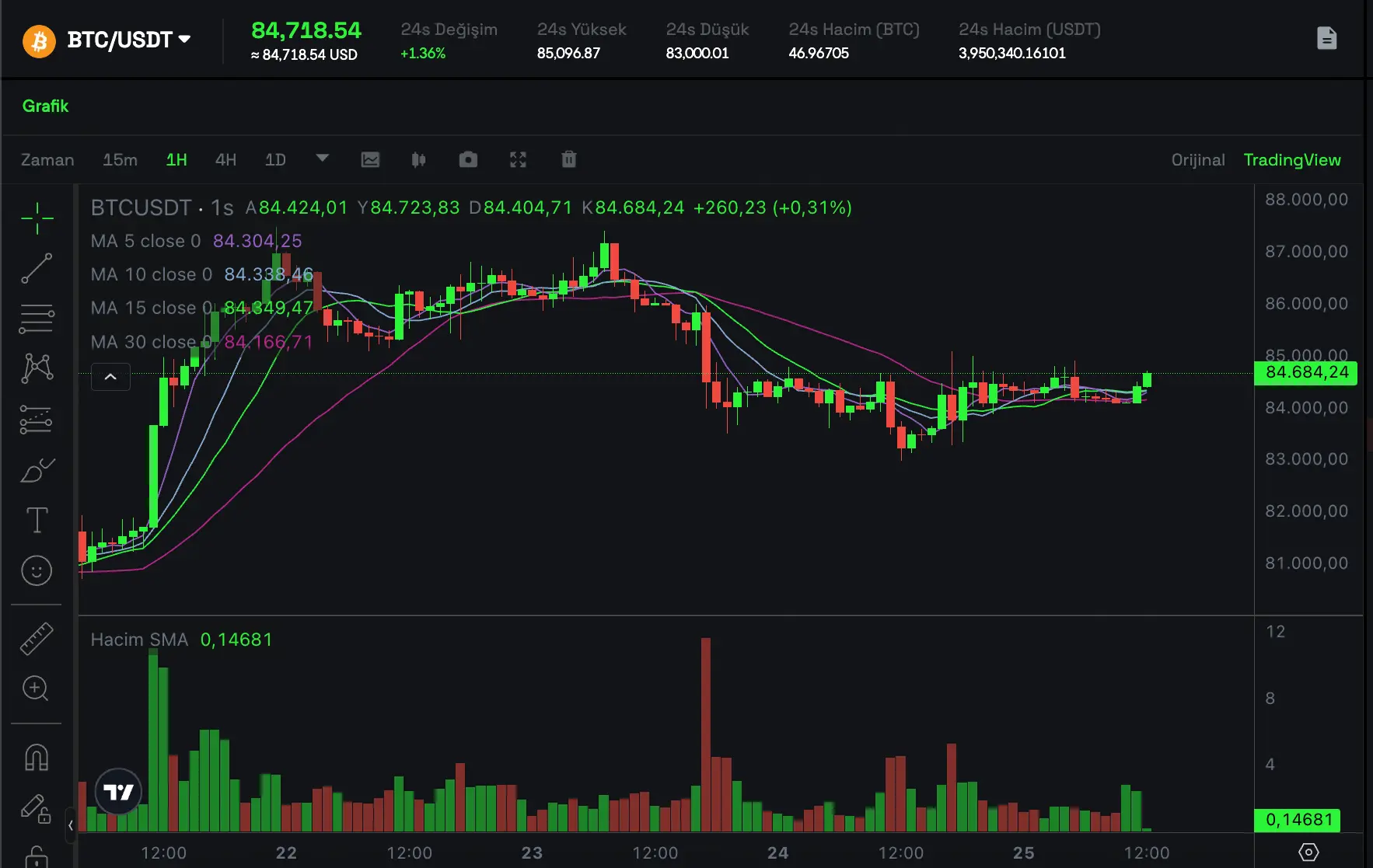
Bitcoin price was trading at approximately
$84,165 on September 25. BTC’s seven-day price change was approximately
a 10.7% increase.
During the week, Bitcoin moved above $86,000 and briefly exceeded $87,000 on September 21, during a period when spot Bitcoin ETFs recorded one of their highest daily inflows of 2026.
Ethereum Price Chart
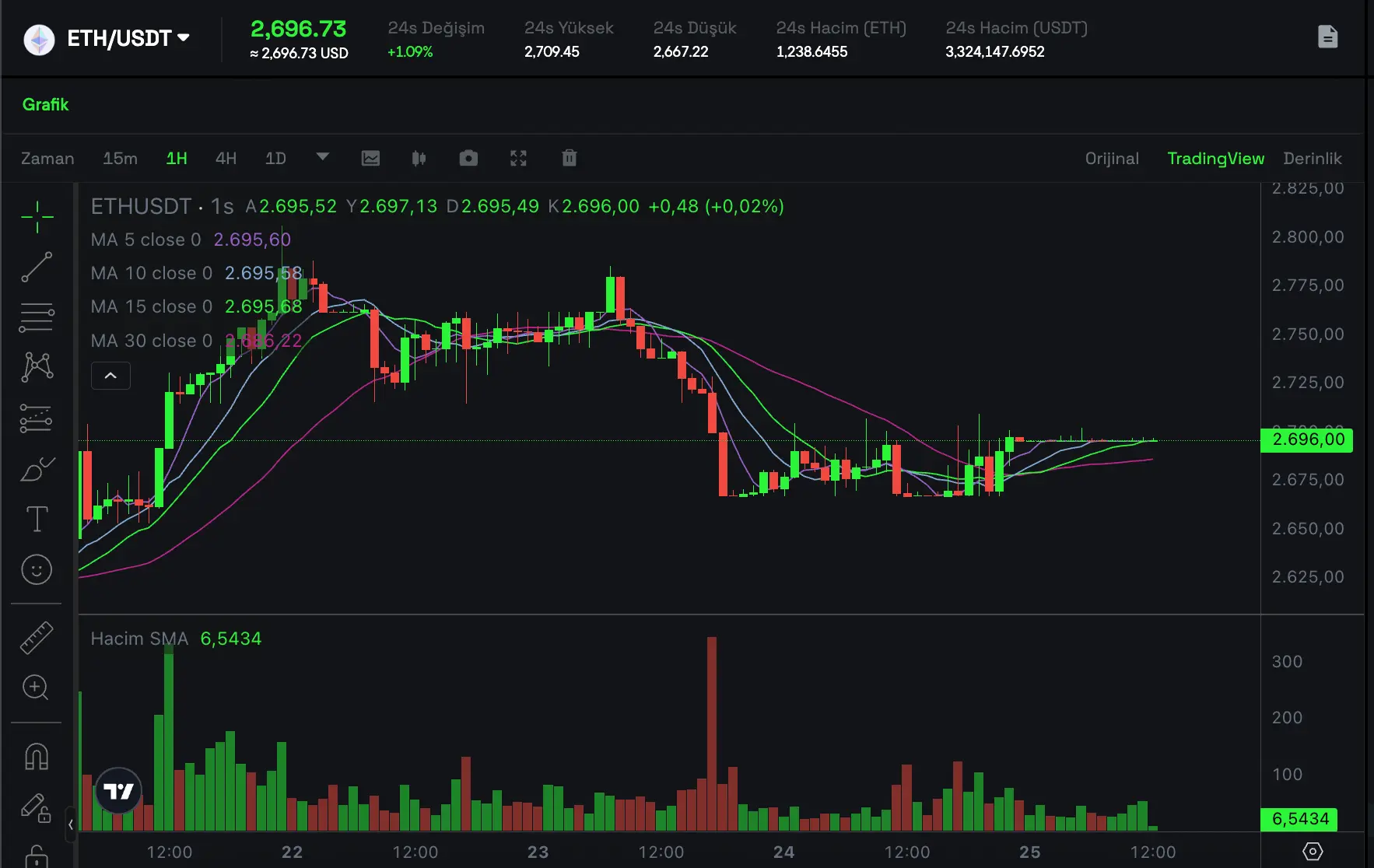
Ethereum price
was trading at approximately
$2,677 on September 25. ETH’s seven-day price change was approximately
a 9.5% increase.
On September 22, U.S. spot Ethereum ETFs recorded approximately $162 million in net inflows, while combined net inflows into Bitcoin and Ethereum ETFs reached approximately $877 million on the same day.
 2026-09-25
Legal Notice
The information, comments, and evaluations contained in this content do not constitute investment advice. This content is not intended to be prescriptive in any way and is intended to provide general information. It does not constitute investment advice. CoinTR cannot be held responsible for any transactions made based on this information or any losses that may arise.

Recommended
 Weekly NewsletterWeekly Crypto Break September 18 In the cryptocurrency market, the Federal Reserve’s interest rate decision, spot Bitcoin ETF flows, a new stablecoin-focused blockchain infrastructure, and crypto asset regulations in the United Kingdom were among the main topics between September 11 and September 18. The Fed raised its policy rate by 25 basis points, while U.S.-listed spot Bitcoin ETFs recorded their largest daily net outflow since June. On the stablecoin side, Circle launched the public mainnet of the Arc network. The UK Fina2026-09-18
 Weekly NewsletterWeekly Crypto Break September 11 This week in the cryptocurrency market, spot Bitcoin ETF flows in the U.S., changes to the U.S. Treasury’s long-term bond buyback program, stablecoin initiatives in the banking sector, and crypto asset regulations in Europe were among the key topics on the agenda. U.S.-listed spot Bitcoin ETFs recorded $3.8 billion in net inflows over a three-week period. The U.S. Treasury increased the size of liquidity-supporting buybacks for long-term bonds. U.S. Bank completed a live stablecoin transfer on2026-09-11
 Weekly NewsletterWeekly Crypto Break September 4 This week in the cryptocurrency market, spot Bitcoin ETF flows in the U.S., a new regulation in Türkiye covering crypto asset service providers, and developments related to traditional financial institutions expanding their digital asset services were among the key topics on the agenda. U.S.-listed spot Bitcoin ETFs closed August with the highest monthly net inflow recorded in 2026. In Türkiye, the Capital Markets Board expanded the scope of remote customer onboarding2026-09-04
