
What is Layer 1? Layer 1 Coins 

Cryptocurrency Exchange
6 min read time
|Updated: 2026-04-15
Layer-1 is the protocol layer where a blockchain validates and finalizes transactions within its own infrastructure. Networks such as Bitcoin, Ethereum, and Solana are examples of Layer-1 structures. This layer is where network security is ensured and transactions are permanently recorded.
What is Layer 1?
Layer-1 refers to the fundamental and primary layer of the blockchain network. Layer-1 solutions are protocol-level scalability and performance improvements implemented on this main network. In this approach, the underlying infrastructure is updated directly, rather than adding an additional layer on top of the existing system.
Two main methods are typically highlighted to increase scalability: changes to the consensus mechanism and technical improvements to network architecture.
When evaluated in terms of consensus mechanisms, some blockchains have shifted towards more efficient models over time. For example, the Ethereum network has transitioned from the Proof of Work (
PoW) model used initially to the Proof of Stake (
PoS) mechanism, which aims to offer lower energy consumption and higher transaction capacity. Such changes aim to optimize transaction approval processes while maintaining network security.
One of the prominent techniques among first-layer scalability methods is the “sharding” approach. In this model, transactions are verified in parallel by being divided into smaller data groups, rather than being processed sequentially on a single chain.
Sharding is a scalability approach that is theoretically or gradually implemented in some blockchains. This method aims to increase the network's transaction capacity and maintain performance during periods of high traffic.
Layer-1 solutions are implemented directly on the main blockchain protocol. This allows the system's core architecture to be strengthened without the need for an external second layer. However, it should be noted that each technical approach may have its own advantages and limitations.
What is a Layer 1 Blockchain?
A Layer-1 blockchain is the fundamental protocol layer of a network and defines the system's operating rules. The block production mechanism, transaction validity criteria, and the consensus method for network participants are determined at this level.
Transactions sent to the network are checked for technical requirements, and those that are deemed suitable are added to blocks and recorded on the chain. This process is carried out within the framework of the network's common software rules.
The Layer-1 layer forms the core structure that enables the blockchain to function and provides the infrastructure on which other scaling or additional layer solutions are based.
What is Mainnet?
Mainnet is the live version of a blockchain where real crypto asset transfers occur outside of the testnet. Transactions on this network are permanent and involve real crypto asset transfers.
Layer-1 is the fundamental protocol layer where transactions are validated and finalized. In most blockchains, Layer-1 operates on the mainnet; however, conceptually, the two are not entirely synonymous.
How Does a Layer 1 Blockchain Work?
The
Layer-1 blockchain is the main protocol layer that defines a network's transaction validation, block production, and consensus rules. The block production mechanism, transaction validity criteria, and the consensus method for network participants are determined at this level.
Transactions sent to the network are checked for technical requirements, and those that are deemed suitable are added to blocks and recorded on the chain. This process is carried out within the framework of the network's common software rules.
The Layer-1 layer forms the core structure that enables the blockchain to function and provides the infrastructure on which other scaling or additional layer solutions are based.
Layer 1 Coins

Layer-1 coins refer to the native cryptocurrency assets of networks that have their own main blockchain infrastructure. These assets are not tokens created on another blockchain; they are called “coins” because they are the native unit of their own network. Layer-1 coins are typically used for fundamental functions such as paying transaction fees, ensuring network security, and executing transactions within the ecosystem.
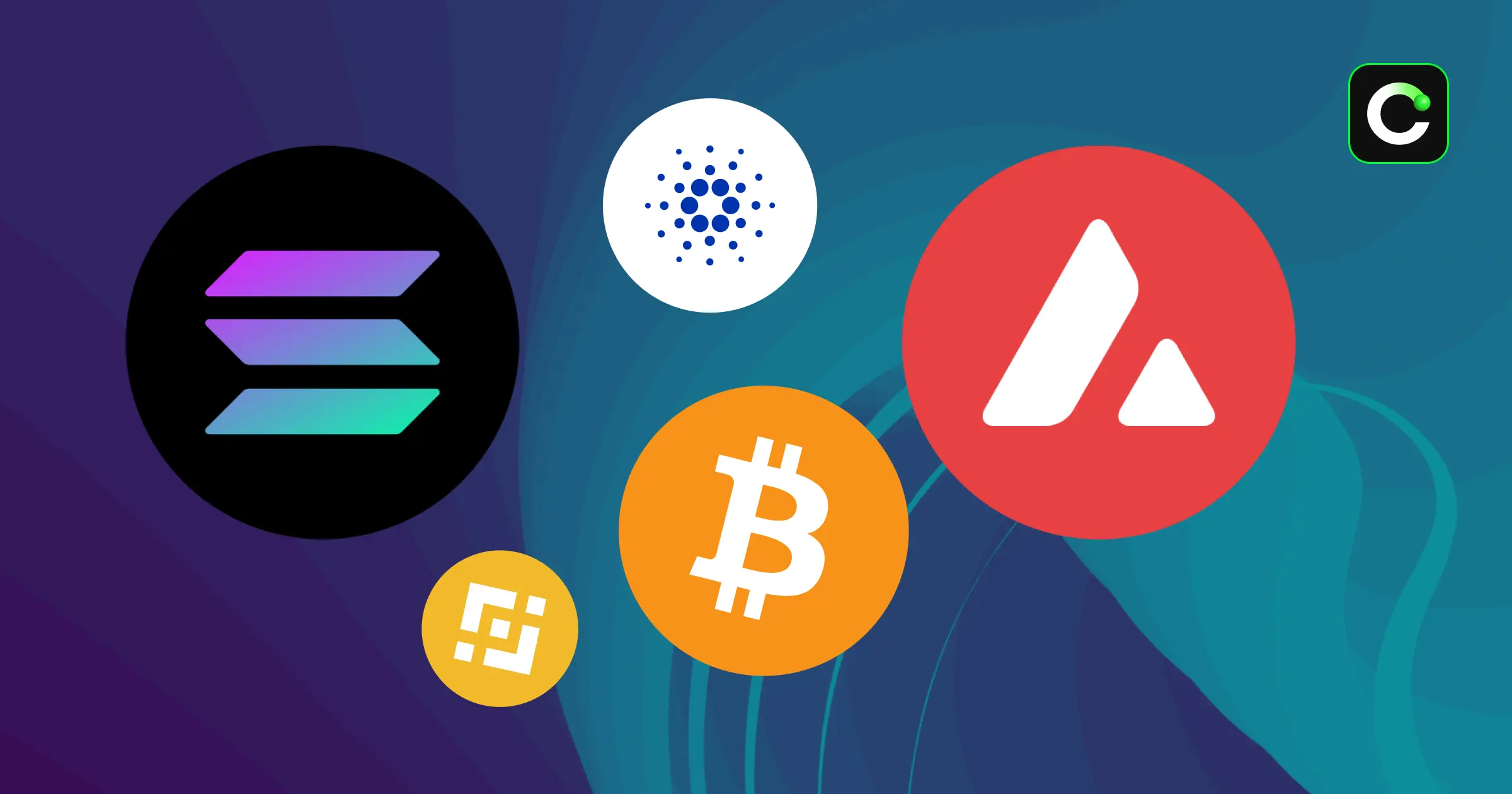
Some prominent Layer-1 coins include:
These assets are used as the native unit of their respective blockchain networks for transaction fees, network security, and ecosystem-internal transactions.
Differences Between Layer-1 and Layer-2
Layer-1 refers to the fundamental protocol layer where transactions are validated, while Layer-2 is an additional layer built on top of this infrastructure. The key difference is that Layer-1 validates transactions directly on the main chain, whereas
Layer-2 processes transactions within its own environment and records the results on the main network.
Changes made in Layer-1 directly affect the main protocol and usually require extensive technical updates. Such improvements mean changes to the fundamental structure of the network.
Layer-2 solutions leverage the security of the main network to manage transaction load within their own layer. The majority of transactions are processed on the second layer, with results recorded on the Layer-1 network at specific intervals. This approach aims to enhance scalability while preserving the security structure of the main chain.
FAQ
What does Layer 1 blockchain do?
Layer-1 blockchain is the main blockchain infrastructure that enables the verification and recording of transactions and ensures network security. It performs basic functions such as crypto asset transfers, data recording, and, in some networks, the execution of smart contracts.
Why is Layer 1 referred to as the “main network”?
Layer-1 is the fundamental protocol layer where transactions are validated and blocks are produced. Therefore, it is commonly referred to as the main network in everyday usage. However, technically, the mainnet refers to the live version of the network, while Layer-1 refers to the core layer of the protocol.
What is the Layer 1 scalability problem?
The Layer 1 scalability problem refers to the increase in transaction times and fees due to the main blockchain's insufficient transaction capacity in the face of increasing transaction demand.
What is the difference between Mainnet and Testnet?
Mainnet is the production network where transactions are finalized with real economic value. Testnet, on the other hand, is a trial environment used by developers to test the system, where assets have no real-world counterpart.
What is the difference between a Layer-1 coin and a token?
A Layer-1 coin is the native cryptocurrency of a network that has its own blockchain. A token, on the other hand, is a digital asset created on an existing Layer-1 network without establishing a separate blockchain.
Where can Layer-1 coins be purchased?
Layer-1 coins can be purchased through cryptocurrency exchanges. Users wishing to trade in Türkiye can create an account on
CoinTR, complete identity verification, and then buy and sell using Turkish Lira (TL).
 2026-02-20
Legal Notice
The information, comments, and evaluations contained in this content do not constitute investment advice. This content is not intended to be prescriptive in any way and is intended to provide general information. It does not constitute investment advice. CoinTR cannot be held responsible for any transactions made based on this information or any losses that may arise.
 How to Buy and Sell Cryptocurrencies?
Recommended
 Cryptocurrency ExchangeWhat is a Stablecoin? 2026 Stablecoin List The sharp price fluctuations in cryptocurrency markets are driving investors toward more stable alternatives. In this context, stablecoins stand out among digital assets thanks to their structures designed to ensure price stability. Questions like “What does stablecoin mean?” and “What is a stablecoin?” are frequently asked, especially by users new to cryptocurrency. So why have these assets become so widely used? Today, the stablecoin ecosystem is no longer limited to as2024-11-24
 Cryptocurrency ExchangeWhat are Bear and Bull Markets? In financial markets, the terms bear market and bull market are often used to describe overall trends. A bear market represents periods of declining prices, while a bull market refers to rising trends. These terms are particularly important in the cryptocurrency market. But what exactly is a bear market, what is a bull market, and how long do these periods last? Here’s a detailed guide. What is a Bear Market? A bear market is a period when asset prices experience a prolonged decline, typically2024-11-24
 Cryptocurrency ExchangeWhat is Blockchain Technology? Blockchain is a digital ledger technology where data is stored on a distributed network without the need for central authority. As the backbone of cryptocurrencies such as Bitcoin, blockchain is now being used not only in the financial world but also across many different industries. Blocks record transactions, and each block is linked to the previous one, forming a chain. This structure makes data immutable, tamper-proof, and transparent. Key Features: Decentralization: Not controlled by a s2024-11-28


