
What Is Block Reward? Bitcoin Block Reward

Cryptocurrency Exchange
4 min read time
|Updated: 2026-04-06
One of the most critical mechanisms driving the cryptocurrency ecosystem is the block reward. So, what is a block reward, and why is this system so important for the network’s security?
In blockchain networks, the verification of transactions and the creation of new blocks are carried out by specific participants. To ensure the continuity of this process, the system offers various rewards to contributing users. This incentive mechanism is known as the block reward. The block reward directly impacts not only the network’s operation but also the supply of cryptocurrency assets and overall network security.
What Is a Block Reward?
A block reward is an incentive payment given to miners or validators who successfully create a new block on a blockchain network. The Bitcoin block reward, in particular, stands out as one of the most well-known examples of this system.
Miners or validators earn a block reward when they validate transactions in accordance with network rules. This mechanism ensures that transactions are confirmed and the network’s continuity is maintained. The block reward is also one of the fundamental methods for introducing new cryptocurrencies into circulation.
For example, in the Bitcoin network, each block contains approximately 1 MB of data, and transactions are stored within these blocks. Miners produce new blocks by solving complex mathematical problems and are rewarded with Bitcoin in return. In this process, the block reward serves as the primary source of income for miners.
In Bitcoin, the block reward follows a structure that decreases over time. The reward, which was initially 50 BTC, has gradually decreased through
halving events. This structure ensures that new supply enters the market in a controlled manner via the Bitcoin block reward and contributes to keeping the total supply capped at 21 million BTC.
How Is the Block Reward Formed?
The block reward is not derived from a single source but from the combination of two key components. This structure ensures the network’s sustainability while also incentivizing participants to contribute to the system.
The first component is called the block subsidy. These are new crypto assets generated from scratch within the framework of rules defined by the blockchain protocol. Miners or validators earn this reward when they create a new block. At the same time, this mechanism forms the fundamental supply model that enables new coins to enter circulation.
The second component is transaction fees. Users transferring assets on the network pay a specific fee to have their transactions validated. These fees are collected from all transactions included in the relevant block and transferred to the miner or validator who created the block.
When these two elements are considered together, the block reward emerges as a comprehensive incentive mechanism that encompasses both the production of new assets and revenue generated from transaction traffic on the network.
How Is the Block Reward Calculated?
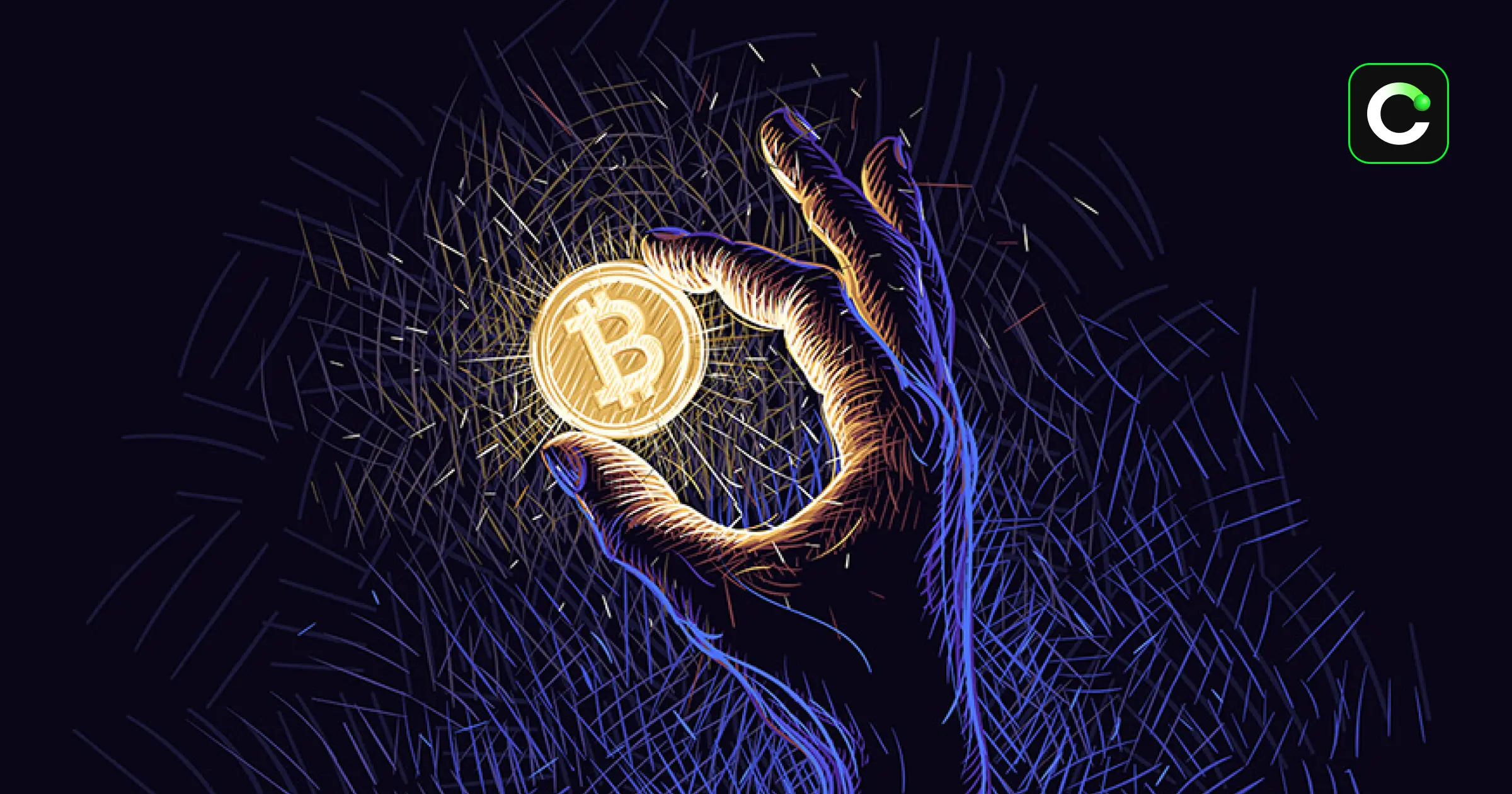
How the block reward is calculated and distributed varies depending on the consensus mechanism used by the blockchain network.
-
Proof of Work (PoW): Miners compete to solve mathematical problems that require high computational power. The miner who finds the correct solution first adds the new block to the network and earns the block reward. In this model, the reward is directly related to the level of competition and the computational power expended.
-
Proof of Stake (PoS): In this system, validators replace miners. Validators participate in the block validation process by locking a certain amount of crypto assets into the network (staking). The block reward is typically distributed based on the amount of staked assets and the contribution to the network. With the transition to the Proof of Stake model on the Ethereum network, there is no longer a traditional Ethereum block reward; instead, validators earn rewards through staking.
FAQ
Is the block reward exclusive to Bitcoin?
No, the block reward is not exclusive to
Bitcoin. This mechanism is also present in many blockchain networks that use Proof of Work (PoW), such as Ethereum Classic, Litecoin, and Dogecoin. However, the reward amount and distribution model vary by project.
What happens if block rewards are not paid out?
The block reward is the primary incentive mechanism for miners. If the reward or transaction fees become insufficient, some miners may leave the network. This can lead to a decrease in hashrate and a weakening of network security.
What will miners earn once block rewards run out?
In Bitcoin, the block reward will cease once the 21-million-coin supply limit is reached. From that point onward, miners will derive their income solely from transaction fees.
Why does the block reward decrease?
In some blockchain networks like Bitcoin, the block reward is reduced through a halving mechanism that occurs at regular intervals. This system aims to control inflation by limiting supply.
 2026-04-06
Legal Notice
The information, comments, and evaluations contained in this content do not constitute investment advice. This content is not intended to be prescriptive in any way and is intended to provide general information. It does not constitute investment advice. CoinTR cannot be held responsible for any transactions made based on this information or any losses that may arise.
 What Is Bull Trap? Bull Trap Formation
Recommended
 Cryptocurrency ExchangeWhat is a Stablecoin? 2026 Stablecoin List The sharp price fluctuations in cryptocurrency markets are driving investors toward more stable alternatives. In this context, stablecoins stand out among digital assets thanks to their structures designed to ensure price stability. Questions like “What does stablecoin mean?” and “What is a stablecoin?” are frequently asked, especially by users new to cryptocurrency. So why have these assets become so widely used? Today, the stablecoin ecosystem is no longer limited to as2024-11-24
 Cryptocurrency ExchangeWhat are Bear and Bull Markets? In financial markets, the terms bear market and bull market are often used to describe overall trends. A bear market represents periods of declining prices, while a bull market refers to rising trends. These terms are particularly important in the cryptocurrency market. But what exactly is a bear market, what is a bull market, and how long do these periods last? Here’s a detailed guide. What is a Bear Market? A bear market is a period when asset prices experience a prolonged decline, typically2024-11-24
 Cryptocurrency ExchangeWhat is Blockchain Technology? Blockchain is a digital ledger technology where data is stored on a distributed network without the need for central authority. As the backbone of cryptocurrencies such as Bitcoin, blockchain is now being used not only in the financial world but also across many different industries. Blocks record transactions, and each block is linked to the previous one, forming a chain. This structure makes data immutable, tamper-proof, and transparent. Key Features: Decentralization: Not controlled by a s2024-11-28
